LLM Fine-Tuning from Scratch
Master the complete fine-tuning pipeline from basics to covering tokenization, dataset curation, LoRA & QLoRA techniques, training on Hugging Face, evaluating model performance, and deploying your custom LLM via API.
W1
Module 1: Foundations of LLMs & Tokenization
Module 1: Foundations of LLMs & Tokenization
By the end of this module you will be able to explain the core components of Transformer models, understand various tokenization strategies, and implement custom tokenizers using the Hugging Face `tokenizers` library.
3 videos
3 readings
3 topics
1 homework
Topics
1.1 Transformers, the tech behind LLMs | Deep Learning Chapter 5
Introduction to Large Language Models (LLMs)
1.2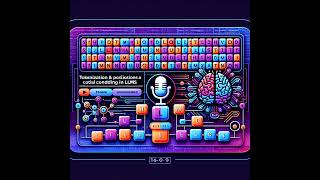 Cracking the Code: Tokenization and Positional Encoding in Large Language Models
Understanding Tokenization
1.3 Getting Started With Hugging Face in 15 Minutes | Transformers, Pipeline, Tokenizer, Models
Hugging Face Tokenizers Library
References
Week 1: Module 1: Foundations of LLMs & Tokenization


Week 2: Module 2: Dataset Curation & Preparation


Week 3: Module 3: Introduction to Fine-Tuning & PEFT


Week 4: Module 4: Advanced PEFT: QLoRA & Training with Hugging Face
Week 5: Module 5: Model Evaluation & Benchmarking


Rate this course
Community Insights
0Join the discussion
Sign in to share your thoughts and technical insights.
Loading insights...