
Stuxnet: The Day Software Became a Weapon
Nicolas Falliere et al. (Symantec, 2011)
Falliere, N., Murchu, L. O., & Chien, E. (2011). W32.Stuxnet dossier. Symantec Corp, Security Response, 1.1, 1-69.
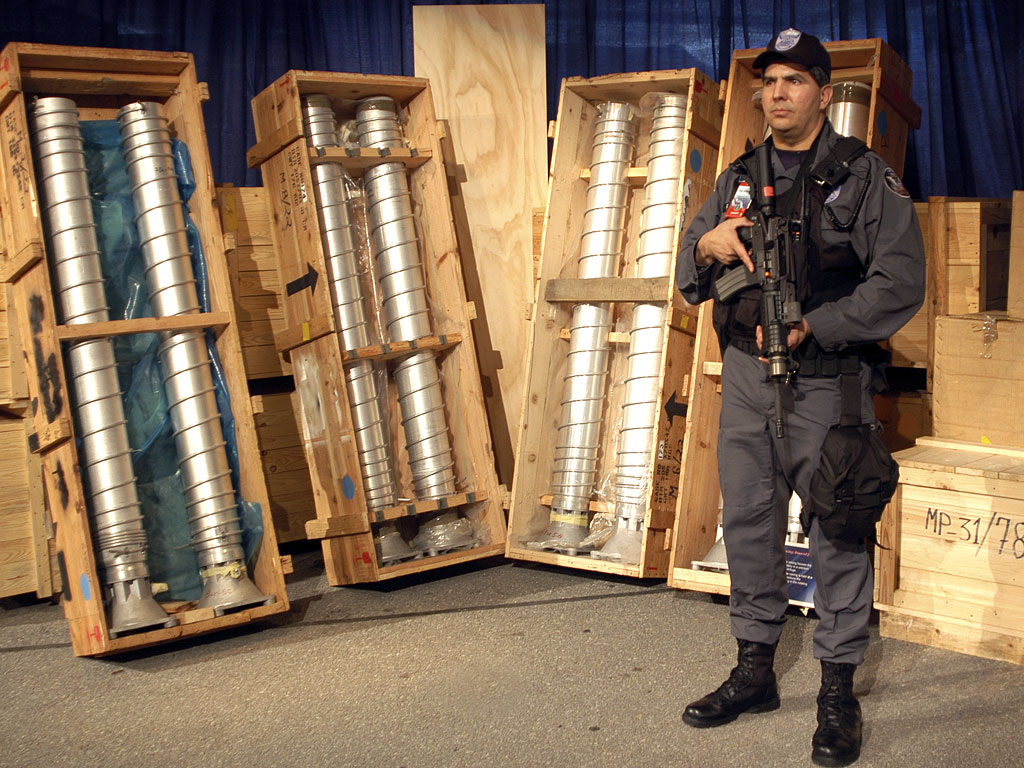
In 2010, the discovery of the Stuxnet worm fundamentally changed the global understanding of cyber warfare by demonstrating that a digital attack can cause targeted physical destruction. Unlike previous malware designed for data theft or financial gain, Stuxnet was a precision-guided digital weapon engineered to subvert the Programmable Logic Controllers (PLCs) in Iran’s Natanz nuclear facility. The researchers proved that by intercepting and modifying industrial sensor data while injecting malicious control commands, a system can induce catastrophic mechanical failure in hardware without alerting human operators. This work established a new era of industrial sabotage, moving cybersecurity from the realm of virtual information into the domain of kinetic conflict and national security.
Zero-Day Vulnerabilities and Multi-Vector Infection
The technical sophistication of Stuxnet was characterized by its use of four distinct zero-day vulnerabilities in the Windows operating system - a concentration of high-value exploits previously unseen in a single piece of malware. The worm utilized multiple infection vectors, including local network shares and removable USB drives, to bypass the "air gap" that isolates critical infrastructure from the public internet. By infecting the engineering workstations used to program the PLCs, Stuxnet achieved a position of absolute control over the industrial process. This methodological choice proved that physical isolation is an insufficient guarantee of security in a world where the software supply chain is global and interconnected.
Man-in-the-Middle Attacks on Industrial Hardware
The core technical innovation of the attack was the subversion of the logic on Siemens S7-300 PLCs. Stuxnet implemented a man-in-the-middle attack between the human-machine interface (HMI) and the centrifuges, allowing it to report a "normal" operational status to the operators while simultaneously altering the rotational frequency of the hardware. By forcing the centrifuges to vibrate outside of their safe mechanical tolerances, the worm caused them to eventually disintegrate. This finding revealed that the integrity of industrial processes is a function of the trust placed in the underlying digital control signal, established that the most effective way to sabotage a system is to manipulate its internal perception of reality.
Evasion Techniques and Physical Consequences
To maintain persistent access for months, Stuxnet utilized a sophisticated Windows rootkit and a specialized PLC-level rootkit to hide its presence from security audits. The malware used stolen digital certificates from legitimate hardware vendors to ensure that its malicious drivers were trusted by the operating system. At the hardware level, the worm modified the system’s execution cycle to ensure that any code readout would return only the original, non-malicious logic. The resulting physical destruction of approximately 1,000 centrifuges at Natanz demonstrated that digital actions can achieve strategic objectives comparable to a kinetic military strike, establishing the PLC as a primary battlefield in modern warfare.
Impact on the Future of SCADA Security
The practical significance of Stuxnet is evidenced by the subsequent militarization of cyberspace and the development of new generations of industrial malware targeting power grids and water systems. By proving that the boundaries between digital and physical security are porous, the research provided a rigorous roadmap for both the attack and defense of critical infrastructure. This realization remains the central theme of modern SCADA (Supervisory Control and Data Acquisition) security, suggesting that the most robust way to protect a civilization is to ensure that its physical machines are resilient against the subversion of their digital blueprints. It leaves open the question of whether a sufficiently complex industrial system can ever be truly isolated from the risks of a globalized software ecosystem.
Dive Deeper
W32.Stuxnet Dossier (Symantec Mirror)
Wired • docs
Explore ResourceStuxnet: The Digital Weapon (Video)
TED • video
Explore ResourceAnalysis of the Stuxnet Worm (PDF)
Columbia • docs
Explore ResourceStuxnet Architecture (Wikipedia)
Wikipedia • article
Explore Resource
Discussion
0Join the discussion
Sign in to share your thoughts and technical insights.
Loading insights...
Recommended Readings
The author of this article utilized generative AI (Google Gemini 3.1 Pro) to assist in part of the drafting and editing process.